admin
The task was to perform a text analysis on a cultural artifact.
“voyant” is one of many tools to analyze text. I found a short video in the university data base and performed my analysis.
The analysis shows a cadence and symmetry in the language used, a sort of iambic pentameter. Linguist analyze the writings of Shakespeare in a similar way to prove he wrote all his plays. Much in the same way communications experts write speeches or advertisements with a particular pattern to maximize the impact on the audience. Most frequent words in the corpus: it’s (5); know (4); like (4); manifest (4); way (4) again the speech is short and the symmetry is likely deliberate, a type of neurolinguistic programing.
Films Media Group. (2015). Tiffany norwood discusses manifesting your dreams. Films On Demand. Retrieved June 10, 2022, from https://fod.infobase.com/PortalPlaylists.aspx?wID=98103&xtid=165363.
I decided to try a chapter out of a scholarly publication called “Oxford handbook of Happiness” It was surprising to learn that the name “oxford” appeared 224 times compared to “happiness” which appeared 397 times. The information leads me to believe the book is a form of public relations rather than a “handbook”.
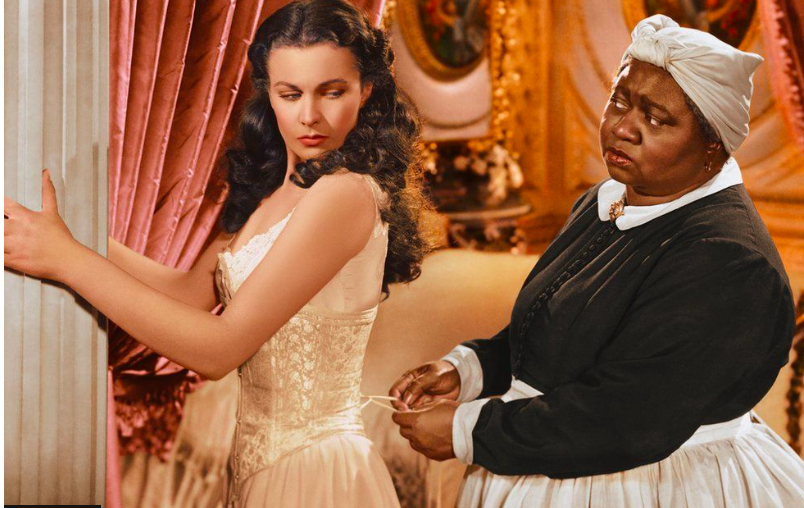
Intrigued I entered the controversial classic “Gone With the Wind” The results differ greatly perhaps because the text is written as a narrative, prose for effective story telling. The text is descriptive, less directive: Most frequent words in the corpus: scarlett (2538); said (1510); like (1119); thought (910); know (863)
In conclusion I found this exercise useful in realizing how few novels I have read recently. All my reading since returning to school in 2018 has been nonfiction text.
http://www.voyant-tools.org/?corpus=f9683737592ea1093349901c066606b7
“Gone with The Wind”